

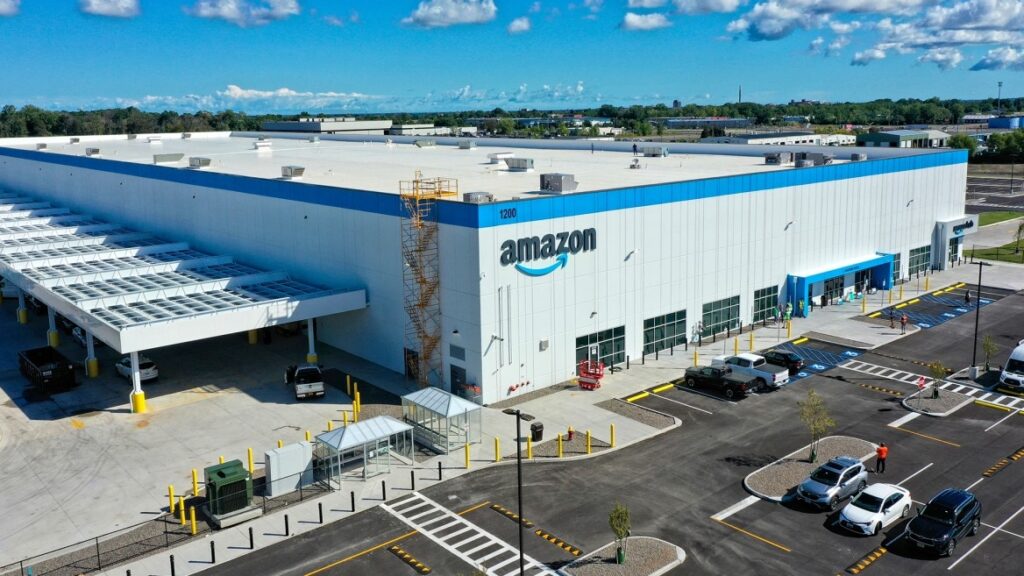
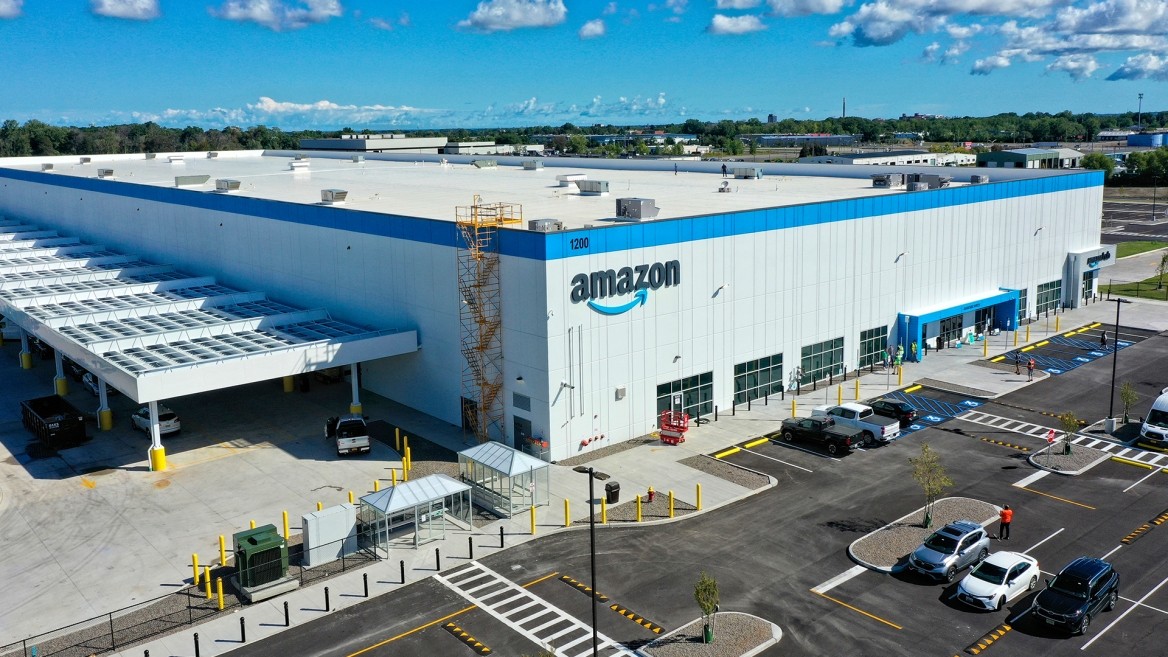
Amazon.com is a huge online marketplace that allows sellers to reach a ton of people. It's one of the biggest and most popular shopping websites in the world with over 300 million active customers. This means that if you sell on Amazon, you can reach a huge group of potential buyers; this is very difficult to do on your own.
Amazon is a reputable name that's known for great customer service, which can help you build trust and loyalty with your customers and boost your sales. In this article we're going to talk about a few different ways you can make money by selling on Amazon.
If you're thinking about starting a business on Amazon, or if you're an existing seller looking to expand your revenue streams, there are several business models you can consider. In this article, we’ll be exploring a few of the popular business models available to sellers on Amazon.
Wholesale
Wholesale is when you buy a large quantity of products from a manufacturer or distributor and then sell them on Amazon for a higher price. You can get a discount when you buy in bulk, which helps you make a higher profit on each sale. This can be a good business model for people who have good relationships with suppliers and can get good deals.
Pros of selling wholesale on Amazon:
- Potential for high-profit margins
- Ability to sell a wide variety of products
- No need to create listings or advertise
- May be less risky than retail arbitrage or private labeling
Cons of selling wholesale on Amazon:
- Requires a larger upfront investment
- Sourcing may be challenging to find reliable suppliers and negotiate favorable terms
- Requires careful planning and attention to detail to ensure that you can consistently find good deals and sell the products at a profit
- Requires handling of storage, packing, and shipping, or using a fulfillment service like FBA
- Limited control over the production and quality of the products you are selling
- Dependence on the supplier for the availability of products and potential
changes to their policies or pricing - Competition with other sellers and potential fluctuations in demand for the products you are selling
Private label
Private labeling involves creating and selling a product under your own brand. This can involve sourcing generic products and branding them with your own label, or developing and manufacturing your own products. Often products are sourced from China using Alibaba or other similar directories.
With a private label, you will have to come up with your own logo, design and packaging. Private labels can be a more lucrative business model, as you are able to control the entire process from sourcing to fulfillment.

Pros of selling Private Label on Amazon:
- Allows you to differentiate your product from competitors and build a strong brand
- Gives you more control over their product offerings and branding
- Can be highly profitable once a product has become established
Cons of selling Private Label on Amazon:
- Requires significant upfront investment, including the cost of sourcing products and developing branding and packaging
- Risk of product quality issues if working with an unreliable supplier
- Can be time-consuming to research and select a supplier and manage the private labeling process
- Cost of software tools - The cost of various tools that help with listing optimization, product sourcing and inventory management, etc. can add significant expenses for sellers, making it harder to turn a profit
- Very long lag time of several months before you begin to see ongoing profits; finding a product, finding a supplier, having the product manufactured, having the product shipped from overseas, and gaining market share can all take a significant amount of time
- Complexity of managing the supply chain, including coordinating with a supplier and ensuring timely delivery of products
- Potential legal risks if the private labeled product infringes on any patents or trademarks
- Marketing costs and PPC (pay-per-click) advertising can significantly eat into your profit margin
- Competition can be fierce and it is especially more difficult to enter the market now than it was a few years ago
Dropshipping
In a drop shipping business model, the seller does not keep inventory on hand. Instead, when a customer places an order, the seller purchases the item from a third party and has it shipped directly to the customer from that 3rd party supplier.
Dropshipping business models requires partnering with a supplier or manufacturer to sell their products on Amazon. When a customer places an order, the seller passes the order along to the supplier, who handles the storage, packing, and shipping of the product to the customer. This business model can be a good option for sellers who are looking to enter the market quickly, as it requires minimal upfront investment.

Pros of dropshipping on Amazon:
- Low startup costs: Since you don't need to purchase inventory upfront, you can get started with a relatively low budget.
- No need to manage inventory: You don't need to worry about storing, packing, or shipping products yourself.
- Wide selection of products: Since you are purchasing items from third parties, you can offer a wide range of products without having to hold onto a lot of inventory.
Cons of dropshipping on Amazon:
- Profit margins can be low. In fact, it's a safe bet that, on average, this business model has the lowest profit margins of any mentioned in this article.
- Much higher risk. Lookout! And make sure you thoroughly understand Amazon’s policies on dropping shipping. You are dependent on third-party suppliers: As a drop shipper, you are reliant on your suppliers to have the products in stock and to ship them out to your customers in a timely manner. If your supplier is unreliable, or simply makes an error, this can cause frustration for the customer which will in turn damage your seller's health with Amazon.
- Lack of control over pricing: In a drop shipping model, you may not have control over the pricing of the products you are selling. This can make it difficult to remain competitive and maximize your profits.
- Complex returns process: If a customer needs to return a product (and they do all the time), the process is more complex in a drop shipping scenario. Since the product was shipped directly from the supplier, the product needs to somehow get back to the supplier from the customer, and you’ll need to track and account for the return.
- Competition: Since it is relatively easy to get started with drop shipping on Amazon, there is considerable competition in many/most niches. This can make it more challenging to stand out and drive sales.
Retail arbitrage with Amazon FBA
Retail arbitrage involves buying products at a lower price from a retail store or online retailer and reselling them on Amazon at a higher price. In this article we’ll focus on selling it on Amazon via FBA. You can sell both used, typically books, and new items on Amazon FBA with retail arbitrage. The popular business models/flavors within “Retail Arbitrage” are:
- Retail Arbitrage - source new products from retail stores in person (Walmart, Target, all kinds of specialty stores, etc.)
- Online Retail Arbitrage - source new products from various stores online
- Book Arbitrage - source used books in person from garage sales, library sales, thrift stores, etc.
- Online Book Arbitrage - source used books online; often from Amazon.com itself from merchant fulfilled sellers


Unlike wholesale, or private labels, there are no suppliers or manufacturers participating in retail arbitrage. You are purchasing straight from a market or retail establishment.
It is frequently more convenient than looking for and purchasing goods from a manufacturing source. Retail arbitrage involves buying products at a low price from a retailer and reselling them for a higher price. It is a faster way to earn money and does not require building a strong brand or a long-term relationship with a supplier, which can be time-consuming. If you are looking for a quicker financial return on your investment, retail arbitrage may be a good option to consider. This is one of the easiest methods to turn a profit if you're just starting out as an Amazon seller.
As mentioned above, there are really 4 different types of “Retail Arbitrage”. Here are the pros/cons of retail arbitrage sourcing NEW items:
Pros of Retail arbitrage with new items on Amazon:
- Low barriers to entry: Retail arbitrage can be a relatively simple way to get started in e-commerce, as you don't need to worry about dealing with 3rd party suppliers or manufacturing products yourself.
- Flexibility: You can choose to focus on a particular product category or source products from a variety of retailers, depending on your interests.
- Potential for high profits: If you're able to find good deals and sell the products for a higher price on Amazon, you can potentially make significant profits.
Cons of Retail arbitrage with new items Amazon:
- Can be very time-consuming: this is especially true if you are sourcing in person in retail stores. You won’t need to travel far in your favorite Facebook group to find folks complaining that they can’t find a product(s) to source or that it is taking a very long time.
- Competition: Retail arbitrage can be competitive, as other sellers may be looking for the same deals as you; this is especially true if you’re sourcing new products from big box stores like Walmart, Target, etc.
- Limited scalability: Retail arbitrage can be difficult to scale up and, over time, you may find yourself “working a job” instead of “running a business”.
- Constantly looking for a deal: It relies on finding individual deals and may not allow for bulk purchasing or the development of long-term relationships with suppliers.
- Potential for returns and customer complaints: When you're selling products that you didn't manufacture yourself, you may be more vulnerable to returns or customer complaints if the product is defective or not as described. This can be frustrating and time-consuming to deal with new products. Once a customer opens/destroys the packaging of a new item it is then difficult/impossible to resell it new on Amazon; you’re left holding the bag (or broken/missing box).

Here are the pros/cons of retail arbitrage sourcing used books in person (i.e., local sourcing at library sales, thrift stores, garage sales, etc.)
Pros of Retail arbitrage with used books (local sourcing) on Amazon:
- One of the lowest cost business models. You can source books very cheaply at thrift stores, library sales, garage sales etc.
- Used books never go out of style and you don’t need to worry about fads or trending product lines.
Cons of Retail arbitrage with used books (local sourcing) on Amazon:
- Sourcing can be very time consuming: You’re always trading your time for money. You will on occasion find a book and make $30 or more in profit for a book that costs you $1.00, but that is nowhere near the norm. Spending hours trying to source can lead to disappointment, as the time invested does not always translate into profits.
- Lower profits: Often the Return on Investment (ROI) may seem high, but the profit per book is often quite low compared to most of the other business models mentioned in this article.
- Very limited scalability: This business model is difficult to scale up and, over time, you may find yourself “working a job” instead of “running a business”; burn out is a real thing after you’ve scanned thousands of books with an app.
- Listing books on Amazon: Done one book at a time even with the best software, and shipping, can be another very time consuming part of the workflow.
- Some sellers struggle with the negative connotation they sometimes encounter from others when scanning books at library sales, thrift stores, etc.
- Many tools are needed for this business model. They include, reliable printer, and/or DYMO printer, hand-held scanner, labels, boxes, dunnage, scale, packing tape, mobile app, bluetooth scanner, polybags, shrink wrap and the list goes on.
- Tracking your inventory can be challenging.

Here are the pros/cons of retail arbitrage sourcing used books online. Note: Users may have very different experiences depending on the software used to source. The following are based upon using Master Book Flippers software:
Pros of online book arbitrage with used books on Amazon:
- Extremely fast sourcing: Using the Master Book Flippers software, you can find profitable inventory in just seconds and is faster than any other business model mentioned in this article.
- Work anywhere and anytime: As long as you have an internet connection, you can work on this anywhere in the world And the internet is always open so you can truly work whatever time, day or night, works best for you.
- Real people helping you source: The team at Master Book Flippers physically reviews thousands of books each week and then shows you the most profitable results. They look at the Keepa charts, review the sellers, look at the condition notes from sellers, then suggest a buy cost & condition for you.
- Higher profits: In general, profit margins are higher than other forms of retail arbitrage and other popular business models.
- Lower cost: Startup costs may be lower because there are no minimum purchase requirements, as compared to wholesale and private label options.
- You can use software to simplify the process of sourcing, listing, and shipping products for your business. This can be done using the Master Book Flippers software platform built on Airtable, which also allows you to automate various tasks.
- Listing & Shipping: This process is made very simple with Master Book Flippers. It doesn’t matter if you’re sending 5 books or 500, the amount of time you have to spend listing your books on Amazon is essentially the same - just a few minutes.
- Excellent inventory control: Master Book Flippers software has the inventory management component built directly into the software which gives you complete control of your inventory.
Cons of online book arbitrage with used books on Amazon:
- Although you need less capital to get started than many other business models (e.g., Private Label, Wholesale), you will need more capital than sourcing used books locally at thrift stores, etc.
- It’s not for everyone. You will be working in front of your computer - albeit for perhaps only a few hours each week. Some folks who enjoy flipping books as more of a fun hobby may find it more rewarding sourcing books in person rather than sourcing online.

Conclusion
Owning a small business and selling on Amazon can be very fulfilling. It allows you to be your own boss and make decisions about how and when you will work. And with online arbitrage, you have the convenience of working whenever and wherever you wish with internet access; that's a hard combo to beat for any business, but it is very achievable.
If you're interested in learning more see our variety of plans to fit your needs, and all come with a 14-day risk-free trial.